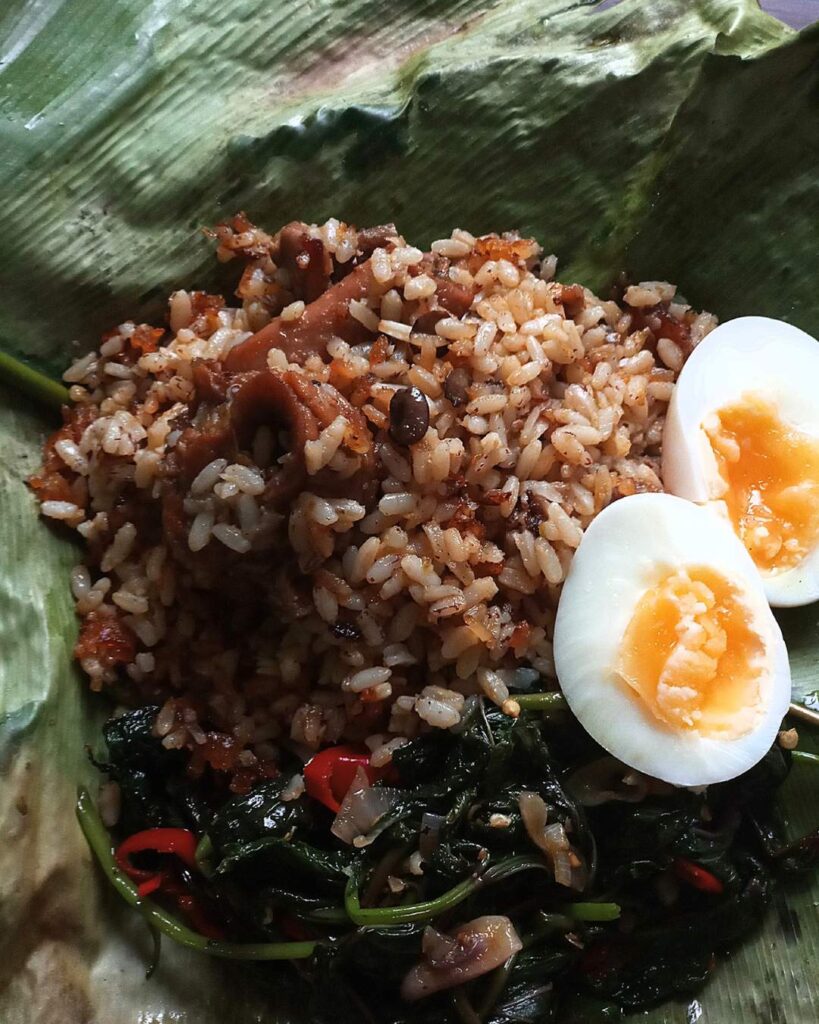
The first time someone opens a pot of Ofada rice around you, there are usually two reactions:
- “Ahhh! Ofada rice 😍”
- “Wait… what is that smell?? 😭”
Honestly, there is no in-between 😂
Ofada rice is one of Nigeria’s most loved local rice varieties, especially when paired with rich ayamase sauce. But let’s be honest, that strong smell can surprise people who are trying it for the first time.
For years, many people believed the smell was simply part of the local rice charm. But recently, conversations online revealed there may actually be more to the story.
So Why Does Ofada Rice Smell Like That?
Traditionally, Ofada rice has an earthy smell because it is:
- locally grown
- less processed
- usually unpolished
- rich in natural bran layers
Unlike imported white rice, Ofada rice still retains more of its natural oils and outer layers, which naturally give it a stronger aroma and deeper flavour.
That part is completely normal.
But according to rice processing discussions online, another factor may contribute to the smell: the processing method itself.
The Processing Conversation Nigerians Started Having
A viral discussion online revealed that some local rice processors soak rice grains for long periods and sometimes reuse soaking water repeatedly during processing.
According to discussions shared by rice processors and industry insiders, this is often done to:
- reduce costs
- save water
- speed up processing
- handle large quantities of rice
Some people online explained that instead of using hot soaking methods for shorter periods, some processors may use cold soaking methods over several days.
And honestly? Nigerians were shocked 😭
Because many of us grew up believing:
“That smell is just how Ofada rice smells.”
Is the Smell Actually Unsafe?
Not necessarily.
Many local rice producers still process rice properly and hygienically. Also, traditional fermentation and soaking methods naturally create stronger aromas in food.
But poor handling or repeated soaking water can definitely affect smell, taste, and overall quality.
This is why the smell of Ofada rice can vary so much depending on:
- where you buy it
- how it was processed
- storage conditions
- the rice variety itself
Some Ofada rice smells pleasantly earthy and smoky. Others can smell very overpowering.
Why Nigerians Still Love It Anyway 😂
Even with the smell debate, Ofada rice still has loyal fans because:
- the taste is rich and satisfying
- it pairs perfectly with ayamase sauce
- it feels authentic and nostalgic
- many people prefer it to imported rice
For some Nigerians, that smell immediately reminds them of:
- village parties
- Sunday lunch
- owambe food
- home cooking
In fact, some people even believe the stronger the smell, the more authentic the rice is 😅
How to Reduce the Smell Before Cooking
If you love Ofada rice but want a milder aroma, try this:
Wash Thoroughly
Wash the rice several times until the water looks clearer.
Soak Briefly
A short soak can help loosen excess starch and reduce strong odours.
Parboil First
Boil briefly, drain the water, then cook properly afterwards.
Cook with Onions or Bay Leaves
This helps balance the aroma while cooking.
Ofada rice has always been known for its strong smell, but many Nigerians are now learning that processing methods may also play a role in that famous aroma.
Still, whether you love it or avoid it completely, one thing is certain:
Ofada rice will always start conversations 😂